
Silicon Carbide Polishing: Techniques, Benefits, and Applications
By:Admin
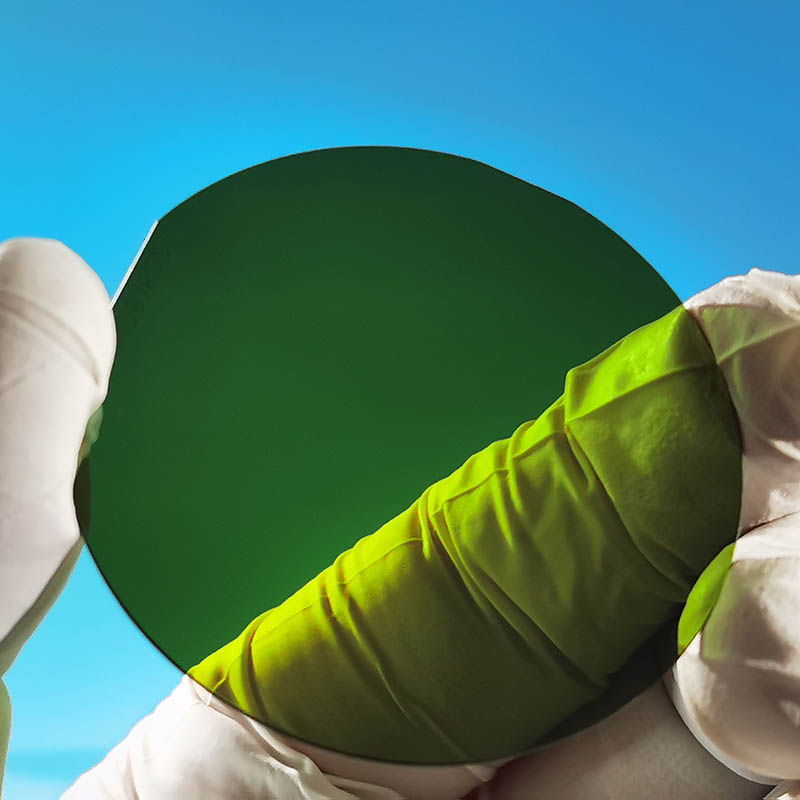
Silicon carbide (SiC) has long been recognized for its exceptional hardness, thermal conductivity, and chemical inertness, making it a critical material in various high-tech industries, including semiconductors, optics, and advanced ceramics. As demand for ultra-high precision components grows, the process of polishing silicon carbide—a notoriously difficult-to-machine material—has seen significant technological advancements, driving innovation and quality improvements across multiple sectors.
**The Challenge of Polishing Silicon Carbide**
Silicon carbide’s extreme hardness and chemical stability present unique challenges in achieving the smooth, defect-free surfaces required for semiconductor wafers, LED substrates, and precision optical components. Traditional polishing methods often struggled to balance material removal rates with surface quality, leading to longer processing times and higher costs. The need for more efficient and effective polishing techniques has spurred extensive research and development in this area.
**Innovative Polishing Techniques and Their Impact**
Recent breakthroughs in silicon carbide polishing technologies incorporate advanced materials, optimized slurry compositions, and precision machinery to enhance both speed and surface finish quality. Ultra-fine abrasive compounds, tailored chemical agents, and controlled mechanical actions have enabled manufacturers to attain nanometer-level surface roughness, essential for high-performance electronic and photonic devices.
Automated polishing systems equipped with real-time monitoring and adaptive controls now allow for consistent and reproducible results. These systems minimize human error and reduce waste, contributing to more sustainable production practices. The integration of artificial intelligence and machine learning algorithms further refines process parameters dynamically, optimizing polishing outcomes for various SiC crystal orientations and surface conditions.
**Applications Driving Demand**
The semiconductor industry significantly benefits from advancements in silicon carbide polishing. SiC wafers are pivotal in power electronics, where their superior electrical properties improve efficiency and thermal management in devices such as MOSFETs and Schottky diodes. High-quality polished SiC substrates are crucial to fabricating defect-free, reliable chips that withstand high voltages and temperatures.
In addition, the LED market relies on polished SiC substrates to produce bright, energy-efficient lighting solutions. The optics industry also demands polished SiC components for telescope mirrors and precision lenses, where minimal surface irregularities directly impact performance. These expanding applications underscore the importance of continuous improvements in polishing technology.
**Company Introduction**
[Company Name] is a global leader in precision materials processing, specializing in advanced polishing solutions for silicon carbide and other hard-to-machine materials. With decades of experience and a commitment to innovation, [Company Name] delivers cutting-edge polishing systems and consumables that meet the stringent requirements of semiconductor, optics, and electronics manufacturers worldwide.
The company’s proprietary polishing technologies combine state-of-the-art abrasives with sophisticated mechanical systems and chemical formulations. This holistic approach ensures not only superior surface finishes but also maximized production throughput and cost efficiency. [Company Name] continuously invests in research and development to pioneer new techniques and expand the capabilities of silicon carbide processing.
**Commitment to Quality and Sustainability**
In an era where environmental responsibility is paramount, [Company Name] emphasizes sustainable manufacturing practices in its polishing operations. The company employs eco-friendly slurry components, reduces water and chemical usage, and implements recycling protocols for polishing waste. These initiatives align with global efforts to reduce industrial environmental footprints while maintaining the highest quality standards.
Furthermore, [Company Name] supports customers through comprehensive technical services and training programs that help optimize polishing processes and enhance end-product quality. Such partnerships reinforce long-term customer success and position the company as a trusted collaborator in the silicon carbide polishing industry.
**Outlook and Industry Trends**
As demand for silicon carbide components continues to surge, driven by electric vehicles, renewable energy, 5G telecommunications, and aerospace technologies, the importance of efficient polishing technologies becomes increasingly evident. Industry experts predict that innovations such as plasma-assisted polishing, chemical-mechanical polishing with novel abrasives, and in-situ process control will further elevate processing capabilities.
[Company Name] is poised to lead in this evolving landscape, leveraging its technological expertise and market insights to develop next-generation polishing solutions that meet emerging industry needs. By fostering innovation and sustainability, the company aims to empower manufacturers to achieve greater performance, reliability, and cost-effectiveness in their silicon carbide-based products.
**Conclusion**
Silicon carbide polishing remains a vital and challenging process integral to modern high-tech manufacturing. Through ongoing advancements and strategic partnerships, the industry is overcoming traditional limitations, enabling the production of higher quality, more reliable SiC components. Companies like [Company Name] play a critical role in this progress by delivering innovative polishing technologies and sustainable solutions that drive industrial growth and technological advancement.
As the global demand for silicon carbide devices expands, continued innovation in polishing technology will be a key enabler for future breakthroughs across electronics, optics, and beyond. The collaborative efforts between technology providers and manufacturers herald a new era of precision and efficiency in the processing of this remarkable material.